
2026
Adaptive Intent-Aware Robot Handovers
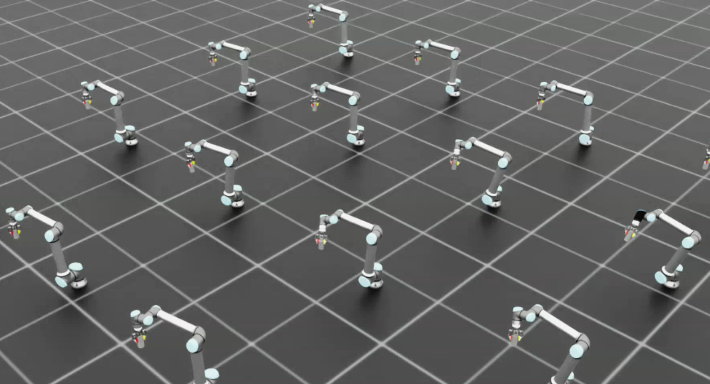
Investigates how robots can perform more natural and reliable handovers by predicting human intent, motion, and preferred transfer locations. Studies adaptive strategies where the robot reasons about reachability, approach trajectory, grasp affordances, and comfort. Long-term goal is bidirectional handovers — both receiving from and delivering to humans — in a way that feels anticipatory, safe, and socially fluent.
Anticipatory Human-guided Robot Action (AHEAD)
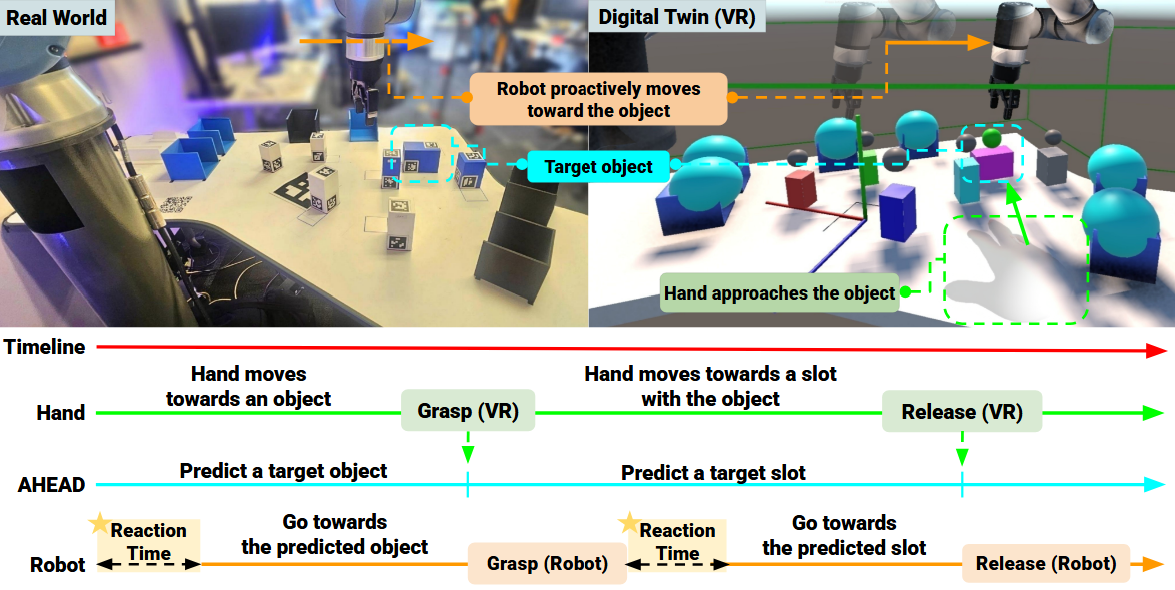
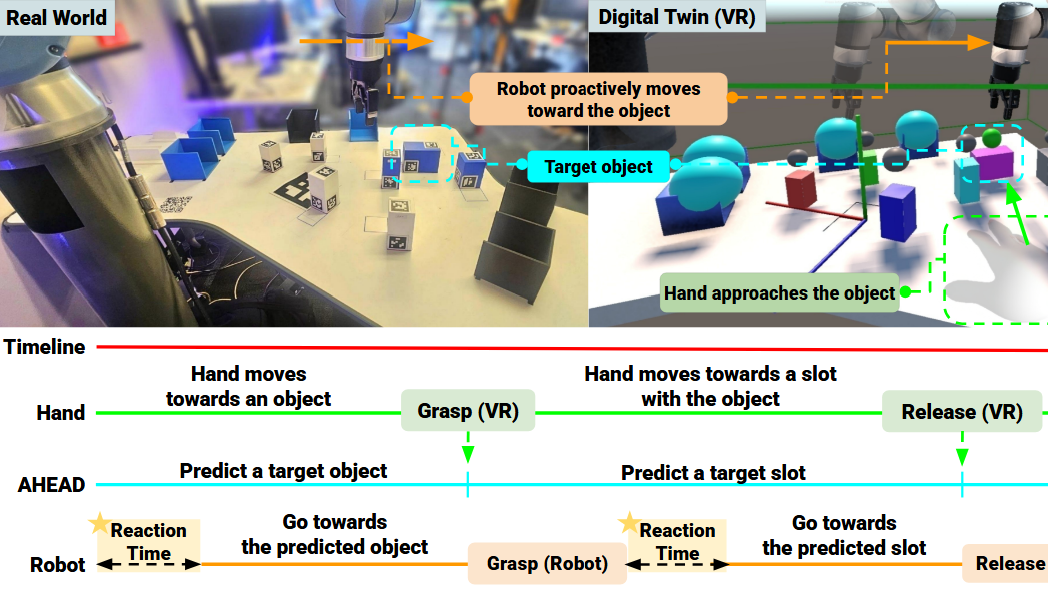
Targets remote teleoperation scenarios where robot lag behind operator intent makes manipulation slow and cognitively demanding. Reduces reaction time by predicting the operator's likely target using eye gaze, hand trajectories, and object context — enabling the robot to proactively move toward the predicted target while keeping the human in control. Makes teleoperation faster, smoother, and less cognitively demanding.
AR-Enabled Human-Robot Coassembly
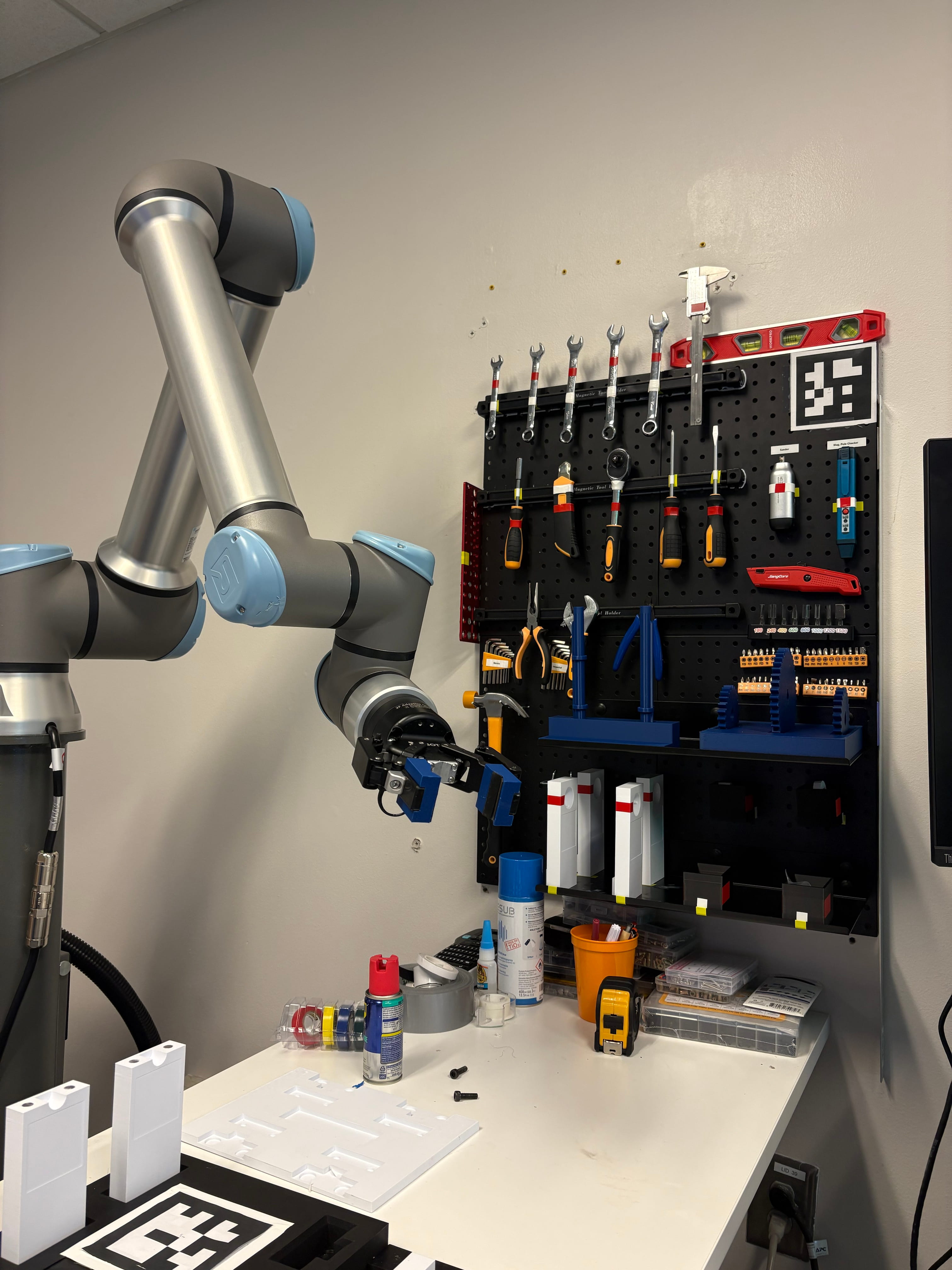
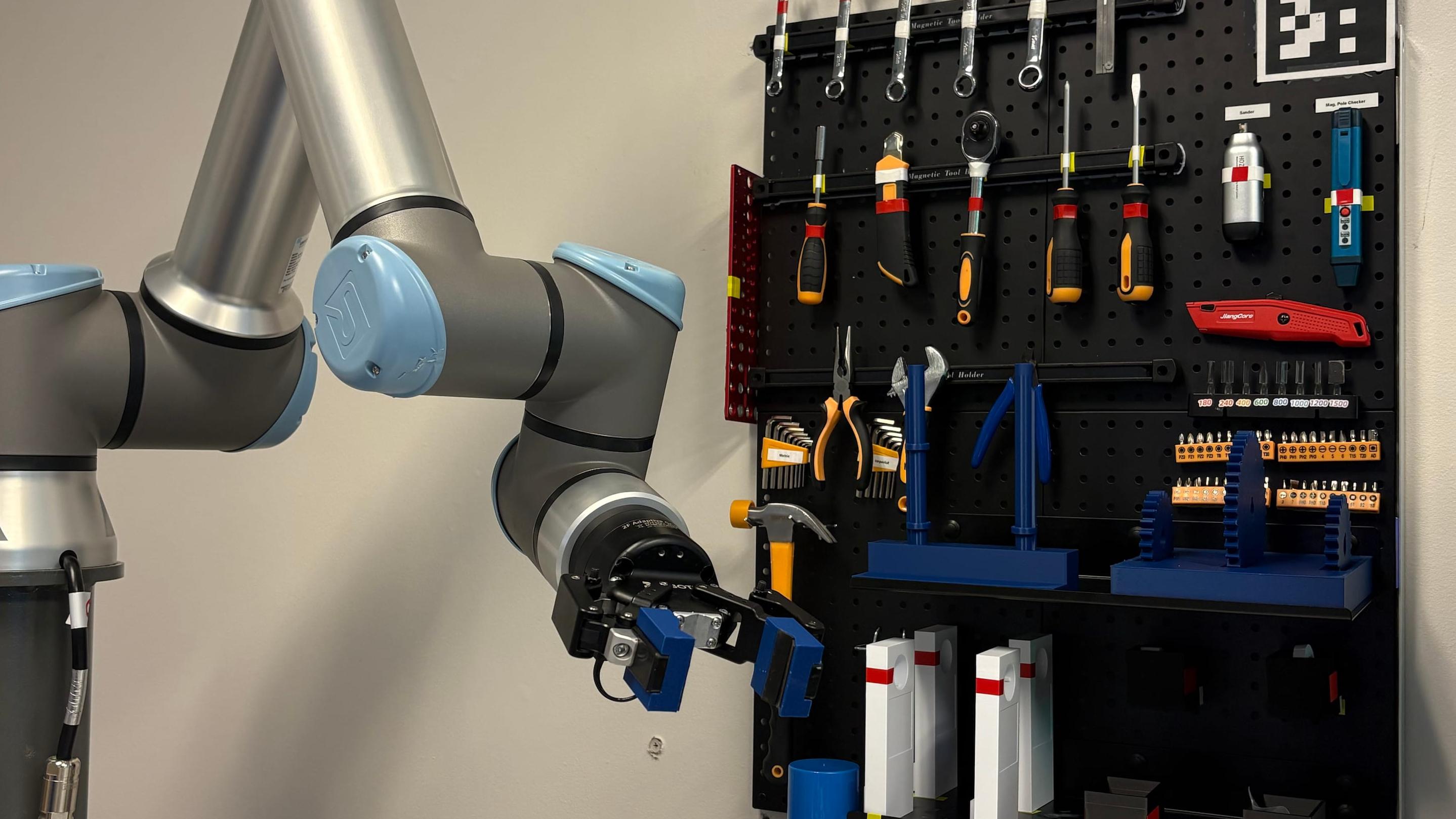
Develops AR-enabled coassembly systems where robots assist humans during tasks involving tools, parts, and shared workspaces. An egocentric AR interface lets the system observe the task from the operator's perspective, track assembly progress, and infer upcoming needs — enabling timely robot assistance (holding parts, fetching tools) without disrupting human workflow. Combines egocentric perception, multimodal sensing, task-state understanding, and safe robot motion.
AR/VR Interfaces for Intuitive Robot Control
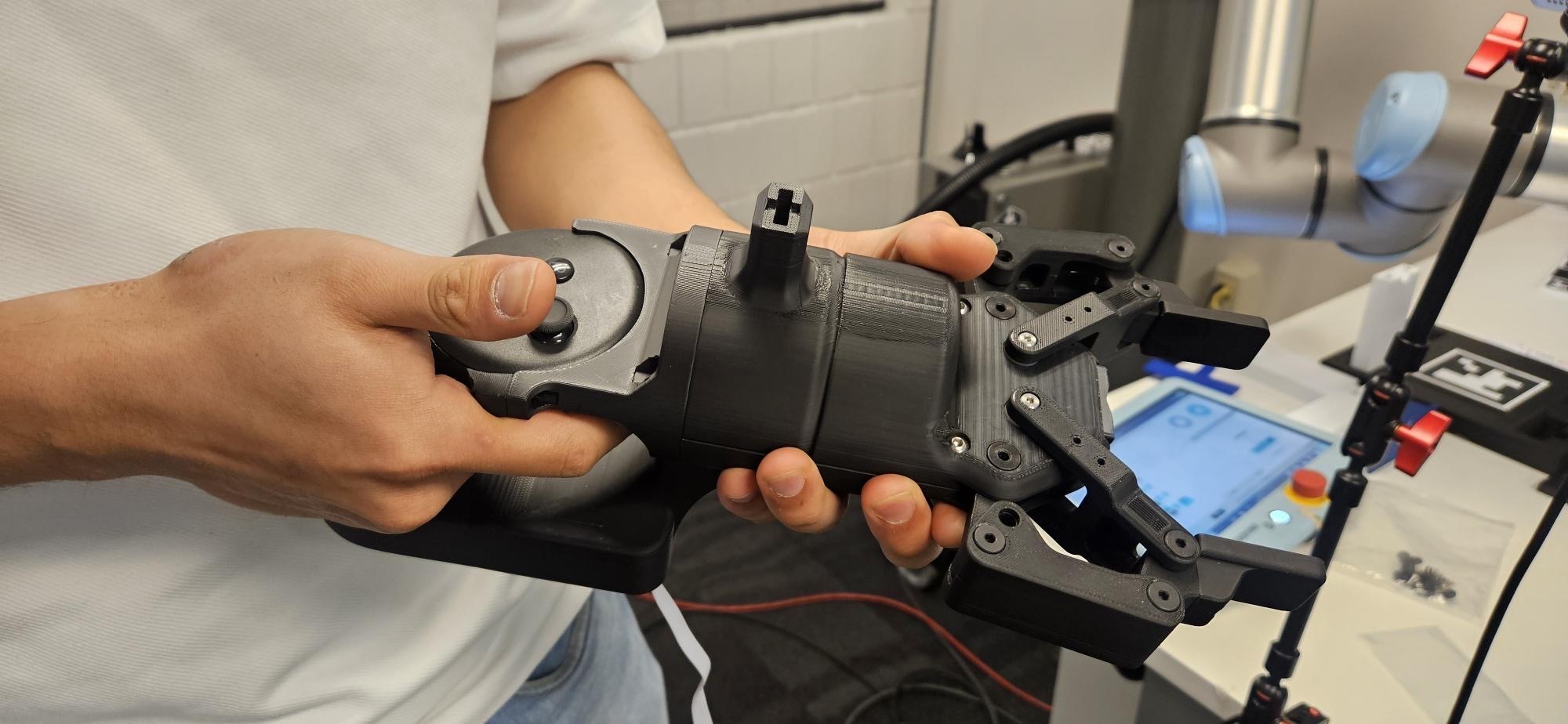
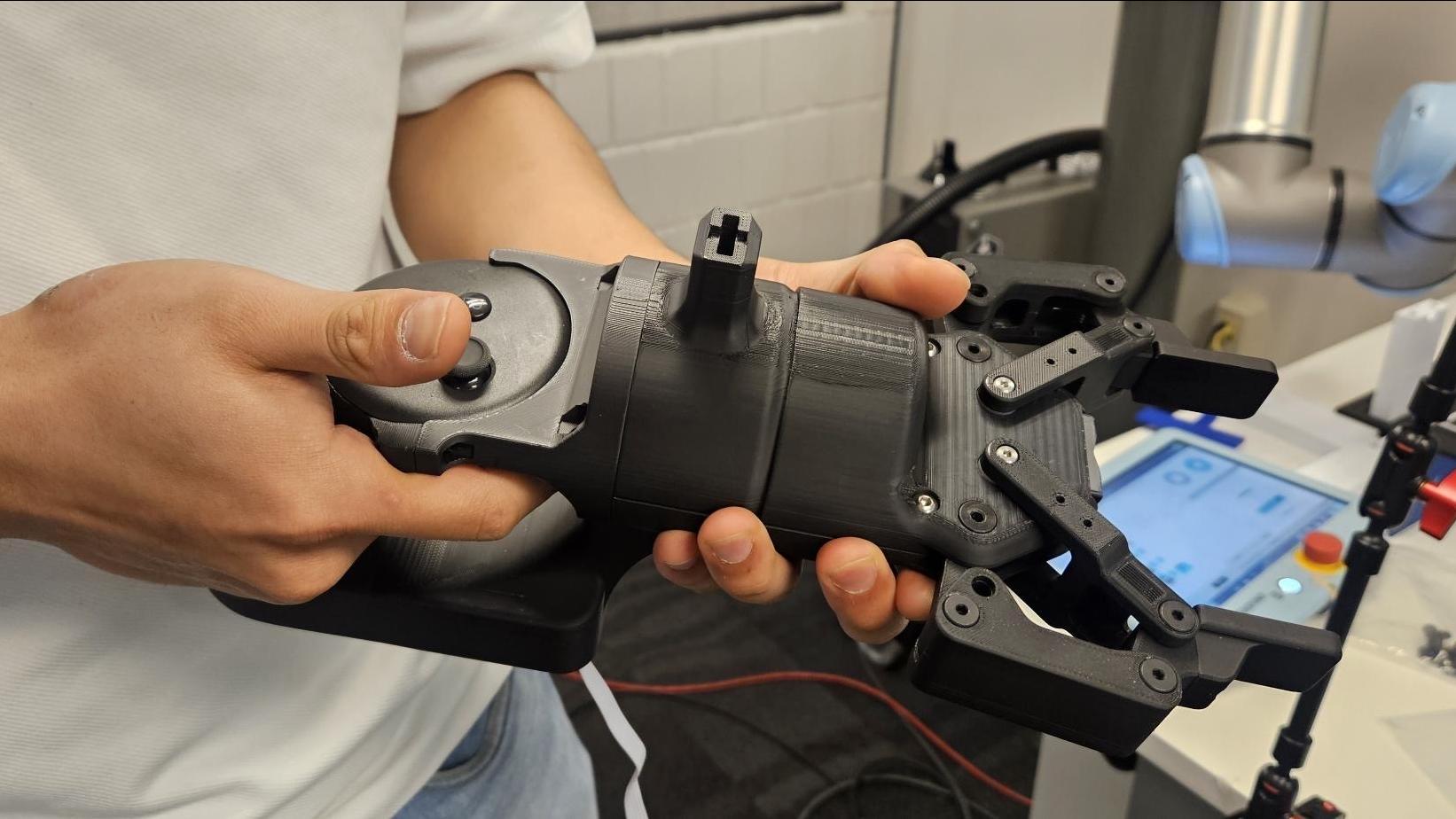
Develops AR/VR teleoperation interfaces for intuitive robot control via spatially grounded interaction using Meta Quest and handheld gripper interfaces. Operators visualize robot motion, perceive the remote workspace, and provide both high-level and continuous control inputs. Explores how AR, shared autonomy, visual feedback, and predictive robot assistance can reduce operator workload and improve remote manipulation performance.
IoT Integrated AR for Human Machine Interaction
Proposes an AR interface integrated with IoT to address usability challenges in industrial HMIs — including data overload and spatial misalignment. Built on a Kepware-ThingWorx-Vuforia pipeline and tested in a cyber-physical factory for cellphone assembly. Evaluated against Siemens HMIs using HoloLens 2 with 20 participants; AR significantly improved efficiency, task completion time, error rates, usability, and reduced mental load.
Sensory-Augmented XR Teleoperation
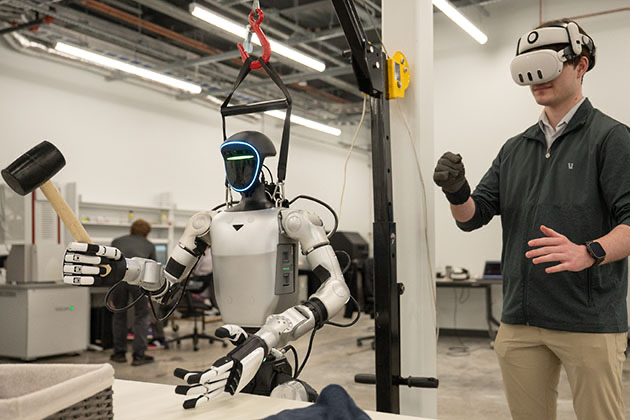
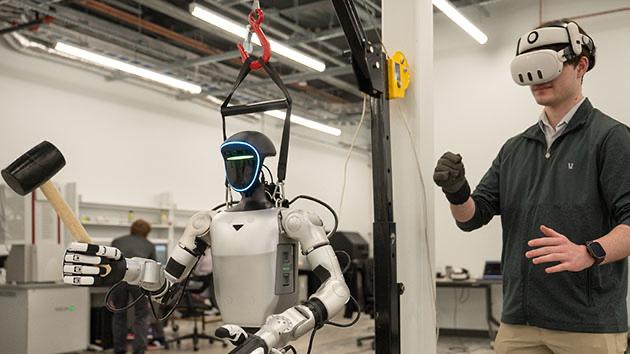
An XR-based teleoperation system developed with the GT Safe Robotics Lab, investigating how haptic, visual, and audio feedback affect operator performance in collaborative manipulation tasks. Seeks to identify the minimum sensory feedback needed to improve teleoperator performance. Uses Meta Quest hand tracking, bHaptics TactGlove vibrotactile haptics, and Unitree G1 humanoid robots with stereoscopic cameras for contact-rich manipulation.
2025
AR Mediated Seamless Human Robot Intent Communication
An AR system using a Unity-ROS pipeline that enhances intent communication between humans and collaborative robots during complex assembly tasks. Integrates multimodal input/output for dynamic interaction. User studies showed AR significantly improved communication clarity, reduced errors, increased task efficiency, minimized completion times, and boosted user confidence and trust in robot actions.